Categories
Recipes

20 Reasons Why Bananas Are Great For Mum and Little Ones

From the moment you realise you are going to be a mum until your child is getting dressed all by themselves, Australian bananas are the ideal addition to both your diets. Accredited Practising Dietitian, Glenn Cardwell provides 20 reasons why:

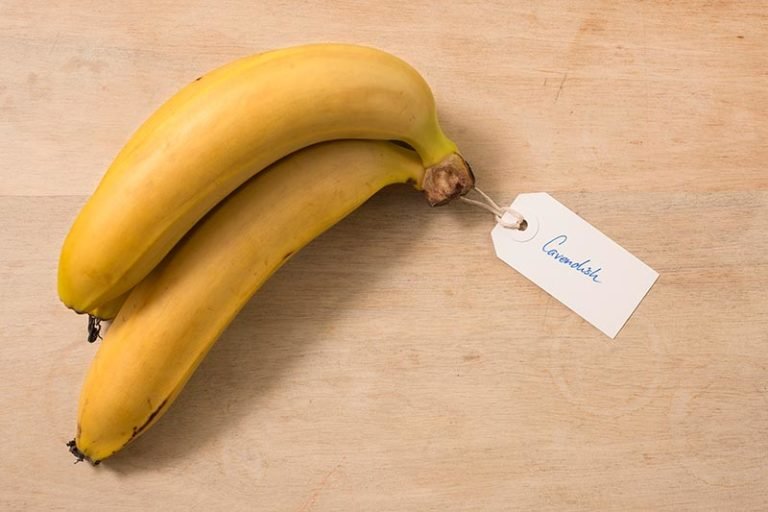
Cavendish Bananas
Cavendish Bananas


Pregnant & New Mums

Pregnancy is the time to pamper your body and understand the impact of your eating – especially since you are dining for two. One way to give your diet a pinch of powerful production is to add nature’s non-stop energy snack, bananas.

Circular Flour-less White Chocolate Cake with Orange Blossom and Banana

Bananas are excellent when you are expecting because they not only contain essential nutrients for the healthy growth of your bundle of joy, but they are also good for managing morning sickness and constipation that sometimes come with having a baby on board.

  1. Relieving Your Heaving

Thankfully, morning sickness usually only lasts the first trimester but that doesn’t make it fun (however if you are like me pregnancy makes you sick all the time. Bananas have been helping me feel better for breakfast now that I’m in my 3rd trimester.) Eating dry crackers, toast or a piece of fruit like a banana in the morning before you get out of bed, and having small snacks frequently through the day can help as it keeps the stomach from being empty, which can make you feel unwell. Avoiding spicy and fatty foods can sometimes help ease nausea as well.

  1. Reduce Constipation

As the muscles in the intestine lose some of their tone during pregnancy, foods pass more slowly through the gut. The pressure of the baby on the mother’s intestines can also slow down the passage of food and waste, resulting in constipation. The solution is copious amounts of fibre, which bananas provide aplenty, fluids and physical activity. Although the banana is an obvious choice to boost your fibre intake, other fruits, wholegrain breads and cereals and legumes are good options.

  1. Energy to Burn

Bananas are an excellent source of carbohydrate energy in the form of natural sugars and starch. It’s no wonder they call it nature’s non-stop energy snack.

  1. Protect Against Spinal Cord Defects

Folate is vital in the development of a baby’s spinal cord in the womb. It is so critical that the vitamin is recommended to women considering pregnancy. An overwhelming body of evidence has linked folate deficiency in early pregnancy to increased risk of neural tube defects, most commonly known as spina bifida, in infants. One banana will provide about 10 per cent of your folate needs each day.

  1. Form Strong Gums

Extra Ascorbic acid (vitamin C) is required for forming new blood vessels, skin, gums, and other tissues, and even bones. One or two bananas each day will provide valuable vitamin C, as will other fruit, fruit juice and salad vegetables.

Banana and Coconut Milk Pops
  1. Absorb Your Iron

In order for a healthy amount of oxygen to reach your baby via the placenta, your body (and your blood) needs about 50 per cent more iron than usual. Although a banana provides only a little iron, its vitamin C greatly helps with iron absorption from other foods. Iron supplements (usually with folate) are commonly recommended during pregnancy.

  1. Strengthen Bones and Teeth

Calcium is required for strong bones and teeth, and in nerve and muscle growth, both for mum and baby. An extra 300mg of calcium is required for pregnant teenagers as they are still growing as well as nourishing the baby. The perfect way to bump up calcium intake is to regularly drink smoothies – simply blend a banana with a cup of high calcium milk.

  1. Help Babies Grow

Extra protein is needed during pregnancy and breastfeeding to support the growth of the baby, and the production of breast milk. This is easily achieved by adding a delicious banana smoothie (a medium banana and 200mL of milk) to your daily diet.

  1. Boost Your B6

Uniquely, bananas are one of the richest fruit sources for vitamin B6. This powerful vitamin is important for cardiovascular, digestive, immune, muscular, and nervous system function. New or expecting mothers’ daily need for it increases by almost 50 per cent, making bananas a great solution.

Square Flour-less White Chocolate Slice with Orange Blossom and Banana
  1. Baby’s First Food

After six months, your baby’s exclusive exposure to the bottle or the boob is coming to an end. Their digestive system is now ready for solid food. Here are a few reasons why Australian Bananas make the ideal first food:

  1. Essential Nutrients

Bananas are soft, easy for an infant to tackle, and rich with essential nutrients, including vitamin B6, folate, vitamin C, magnesium, potassium, and natural sugars for energy.

  • Half a medium banana will give an infant:
    • Folate: 33 per cent of their daily needs
    • Magnesium: 25 per cent of their daily needs
    • Vitamin B6: 50 per cent of their daily needs
  1. Familiar Consistency

Mash a banana with breast milk or formula when introducing solids. It is more likely to be accepted quickly as a new food.

  1. Made For Tiny Hands

The banana is the ideal finger food. It can be nibbled, chewed, sucked and squished. Give your child a small amount at a time.

LadyFinger Bananas
LadyFinger Bananas
  1. Easing Teething

During teething, a cool or frozen banana can help relieve the pain of a tooth coming through.

Nature’s Long-Lasting Energy Snack For Toddlers

Australian bananas make the ideal snack for toddlers. Whether they are just starting to walk or speaking in sentences, children at this age need one fruit serve each day. This might be a medium banana, or half a banana and half of another fruit. While bananas are very popular with young children, it is also important to introduce them to other fruits, especially once they start getting teeth towards the end of their first year of life.

  1. Great Source of Carbohydrates for Energy

To fuel the activity of a toddler, they need carbohydrates at each meal. Bananas are an excellent source of the nutrient in the form of natural sugars and starch.

  1. Protein for Growth

Normal growth needs protein to help produce new cells. A small banana smoothie (150 mL milk and a half banana) as a snack or meal is an excellent source of both protein and calcium.

  1. Vitamin B6 for Blood Health

This vitamin is needed for making red blood cells, and carrying nerve impulses. A small banana will provide about one third of their B6 needs for the day.

Banana Guacamole for Kids
  1. Folate for Growth and Brain Health

The B vitamin folate is needed for proper growth and development. Half a banana will give a toddler about 15 per cent of their folate needs each day.

  1. Fibre for Digestive Health

Bananas are a great-tasting source of fibre, so even a small serving a day for a young child will help keep them regular.

  1. Convenience

Toddlers only want to eat when they are hungry, and they may not want to finish everything on their plate, making snacks like bananas so convenient. You can simply cut them in two and save half in the refrigerator in plastic wrap for later.

Glenn Cardwell is an Accredited Practising Dietitian with 35 years in clinical and public health nutrition, including 10 years as consultant dietitian to the National Heart Foundation, five years at the Children’s Hospital in Sydney, and was a major player in establishing the WA School Canteen Association in 1994.

For the latest news and information, ‘LIKE’ Australian Bananas on Facebook www.facebook.com/AustralianBananas and Instagram @australianbananas


Drooling over the Circular Flour-less White Chocolate Cake with Orange Blossom and Banana
Categories
Family

Pineapples Nutrient Rich and Great for Health

I had no idea that Pineapples were so good for you.

Also, I don’t often drink pineapple….but don’t hate it, and yes I like many others seem to eat it more in the summer.

DID YOU KNOW?

  • Pineapples have an enzyme called bromelain. This enzyme has anti-inflammatory properties.
  • This magical enzyme also can boost immunity and is super helpful to fight colds and flu (I wish I knew this as I am currently suffering from a bad cold or possibly the flu)
  • “Only six per cent of people class pineapples as nutrient-rich, favouring blueberries and acai berries instead”

·   

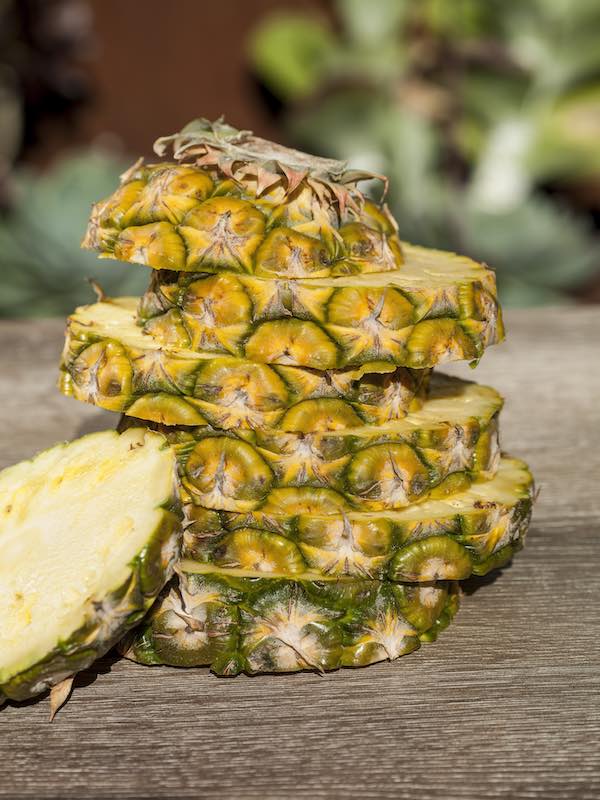
Pure Gold pineapples are so good for you, read all about them.

Pineapples also are great for your digestive system, yep more good things from eating. Bromelain breaks down proteins plus has been shown to help with symptoms of sinusitis, arthritis and sore throats.

WOW PINEAPPLES ARE REALLY A SUPER FOOD!

“Nutritionist and dietitian Joanna Shinewell said the key to keeping a strong immune system, particularly during the cooler months, is through vitamin C, dietary bromelain and antioxidants.”

“To encourage a healthy immune system, the body needs a daily intake of vitamins, minerals and nutrients. While to many it is surprising that pineapples could be a hidden gem, they are truly the golden fruit that protects you from the harshness of winter from the inside, out,” said Shinewell.

Pure Gold Pineapples are based in Central and Southern Queensland,  and available all year round. Pure Gold Pineapples are available across Australian food retailers and fruit shops nationally.


If you want more info on the yummy Pure Gold Pineapples visit – For more information visit puregoldpineapples.com.au.


Sign up for my newsletter

Stay current with all the things that are happening on Mummy to Twins Plus One. Don’t miss a thing by signing up for my newsletter. This newsletter will list all giveaways and fabulous things that are happening.


Categories
Family

Eat A Rainbow

It is National Nutrition Week – 16th of October to 22nd October, and the aim is to increase the amount of veggies and fruits we eat each day.

Did you know?

“Less than 1% of Australian children and teens get enough veggies each day, yet over 1/3 of their daily energy comes from ‘discretionary foods’ such as biscuits, lollies, fast food and sugary drinks.”

The Teeny Tiny Stevies are the National Nutrition Week Ambassadors that are inspiring kids and also to parents.

“Kids Music That Doesn’t Suck”  Zoe Foster-Blake

The sisters behind Teeny Tiny Stevies, Byll and Beth started as a fun project but has become very popular with kids and adults alike. The sisters have been playing Australian Folk Festivals since they were teenagers, including Woodford, Port Fairy, and the National Folk Festival in 2016. Oh and also travelling to Canada for the Folk Festival circuit in 2011.

If you wish to catch the Teen Tiny Stevies live here are their dates throughout Australia:

TEENY TINY STEVIES LIVE DATES

Fri Oct 14th – The Little Bookroom, Carlton Vic (10.30am Musical Storytime!)
Fri Oct 21st – National Nutrition Week Event, Queen Victoria Market, Melbourne
Sat Oct 22nd – Ararat Primary School, Ararat Vic
Sat Oct 29th – The Lost Lands Festival, Werribee Mansion Vic
Sun Nov 6th – Darebin Music Feast Closing Party, Preston Vic
Fri Nov 11th – The Children’s Bookshop, Sydney NSW (9.45am Musical Storytime!)
Sun Nov 13th – Newtown Festival, Sydney NSW
Dec 27th – Woodford Folk Festival, QLD

So what can you do to add more colour to your plate?

You should aim to “eat a rainbow”. Add different coloured vegetables and fruits to your meals.

The different varieties gives you a good mix of vitamins, minerals, antioxidants, fibre and phytochemicals.

Another interesting fact:

“The Australian government could save $58 million in health expenditure if only males ate as much vegetables as females.” *Source: http://bit.ly/2dZMJDP

Try for 5

The theme of this years Nutrition Week is to aim to add 5 veggies or fruits to your day. Yes add 5 vegetables of different colours. If you do your body will thank you.

If you consume plenty of fruit and veggies it can help reduce your risk of some cancers, heart disease, stroke and also diabetes.

#TryFor5

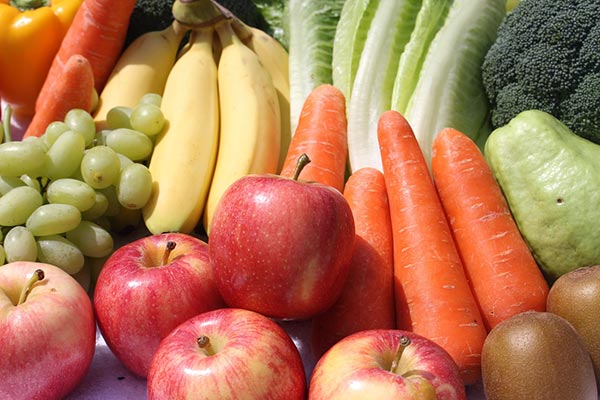
Different coloured fruit and veggies ready to eat. Don't they look yummy!
Different coloured fruit and veggies ready to eat. Don’t they look yummy!

My aim with the kids is to expose them to more fruits and veggies. They are fussy eaters and it has been a huge challenge. The plan is to have a new food on the plate each night and they have to at least taste it. I hope this goes well… or else I can hide it all again.

What do you do to make sure your kids eat more fruit and veggies?

Categories
3 years and beyond

Kids Don’t Crave Vegies

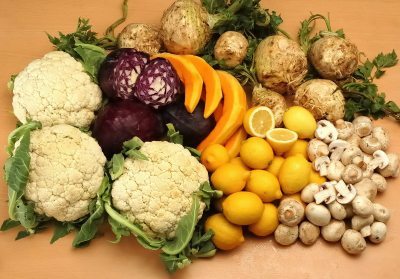
Fruit and vegetables. Image by FreeDigitalPhotos.net

My kids don’t enough food, let alone veggies, and I thought this was not good, until I read this article from Holistic Kid – 4 Food Groups All Kids Should Eat. In the article it says that children are born with “weak digestive “Qi” (energy) so it makes sense that in their formative years, kids need foods that are easier to digest than brussels sprouts.”  This might be true, as my girls don’t eat a lot of veggies and if they do, maybe a bite here or there.

I have been trying to hide, vegies and fruits into foods and sometimes it is a winner and sometimes not. Do you try and hide food so that your child gets more nutrition? I add vitamins to the girl’s milk and they actually ask for the medicine in the milk, they must like the taste. I must have the only kids that actually want the vitamins added to their milk.

The reason for the vitamins in the milk is that my girls have always been under weight, and have never eaten a lot. I would like to make sure that they are getting adequate vitamins for growth (and who knows when a growth spurt will strike) and also to keep the girls well from colds and flu.

So what does the article recommend kids eat? Good question, they are broken down into four areas, and they are:

  1. Saturated Fats – Whole dairy, eggs, nuts, avocados, healthy oils, olive oil and so on
  2. Bone Broth (this surprised me, but makes sense – Mums homemade chicken soup “The minerals, gelatin, and glycosaminoglycans in bone broth promote proper development of bone and dental structure, as well as healthy hair, nails and joints. Bone broth can also help with digestive problems, food allergies, and immune health.”
  3. Cultured Foods – Yoghurt, “Cultured foods contain naturally occurring probiotics that provide kids with a wide variety of health benefits by populating the digestive tract with healthy bacteria.”
  4. Seasonal, Local Produce – Although the article says that we as parents should not lose sleep over kids not eating more fruit and veggies it states that kids should at least have some every day. The recommendation is to take your kids to the markets and purchase local produce. Local produce is meant to taste better as it has a more flavour.

Do you think your kids are not getting enough vegetables? My girls seem to have fruit it is just the veggie issue; however with the view of the Holistic Kid article it appears that if they are having a bit that is fine too. Send in your comments.