
Categories
Guest Post

Enriching Playtime with Music

Enriching Playtime with Music. Image from momitforward.com

Whether singing songs with your toddler or playing classical music to the baby in your growing womb, most people already recognize the benefits of exposing young children to music. Here are some of the pretty amazing impacts which music can have on little ones.

Music and the Young Brain

Song and other music represent powerful tools for development because they simultaneously promote growth in a number of different areas. Simply singing a lullaby while nursing or rocking a baby to sleep can stimulate early language development, encourage attachment and increase a baby’s expanding spatial awareness.

Engaging with your child through music, whether it is sing-along time or dancing, is a social experience which helps little one’s learn valuable social and emotional skills. Lullabies may help with self regulation. Songs from your childhood support cultural awareness. Self-esteem and self-confidence come from enjoying sound and taking part in it.

As musical sound helps kids begin to comprehend emotions and build relationships, their fine and gross motor skills also begin to develop and improve. Learning to clap and use your fingers during interactive tunes like, “Wheels on the Bus” or “I’m a Little Teapot” can foster balance, coordination and motor control.

Music at Play

For children, play is an essential component of learning and growing. Playtime activities allow their imaginations to expand as they emulate the real world and practice interacting.

There are many different types of play. Some of the basics include:

  • Active, physical play
  • Dramatic, imaginative play
  • Creative, expressive play
  • Social play
  • Mental play

Music can combine with any of these play styles. During active play, children can dance to an upbeat song. In dramatic play, little ones can present a performance. As a part of creative play, they can invent new songs, practice beating a drum or create their own instrument out of craft supplies.

Social play refers to interaction between children. And music can be a part of this as well when kids sing songs together, etc. Finally, when exploring the world of mental play, children can learn about rhythm and beat and naming the notes in music.

Incorporating Music Every Day

Music is a powerful tool for simply lifting a family’s mood. “According to a recent Harris Interactive survey of parents and children ages 1—5 years,” writes blog.nj.com, “listening to music during playtime makes children happier, sillier, more excited and engages them in play for longer periods of time; music also makes parents feel more relaxed.”

Music and play fit together very naturally. And even without parents’ help, most kids will add music to their fun activities through singing and drumming on pots and pans. But the surprising benefits of music exposure should certainly motivate moms and dads to consciously introduce music into the home.

With Christmas coming up, there are some fantastic gifts that will encourage children to play with music. There are basic instruments that make great stocking stuffers and presents like:

  • Rhythm sticks
  • Penny whistle
  • Recorder
  • Harmonica
  • Beat drums
  • Tambourine
  • Keyboard
  • Melody harp
  • Ukulele

By singing in the car, playing with beginner instruments and dancing in the living room, kids and parents alike can enjoy the amazing effects of music and play.

A bit about Jessica Socheski:

Jessica is a freelance writer who is passionate about family life and college success. When not writing and researching, you can find Jessica swimming at the beach.  You can connect with Jessica via Twitter @JessicaSocheski
Categories
4 years and beyond

Imagination an Essential Ingredient

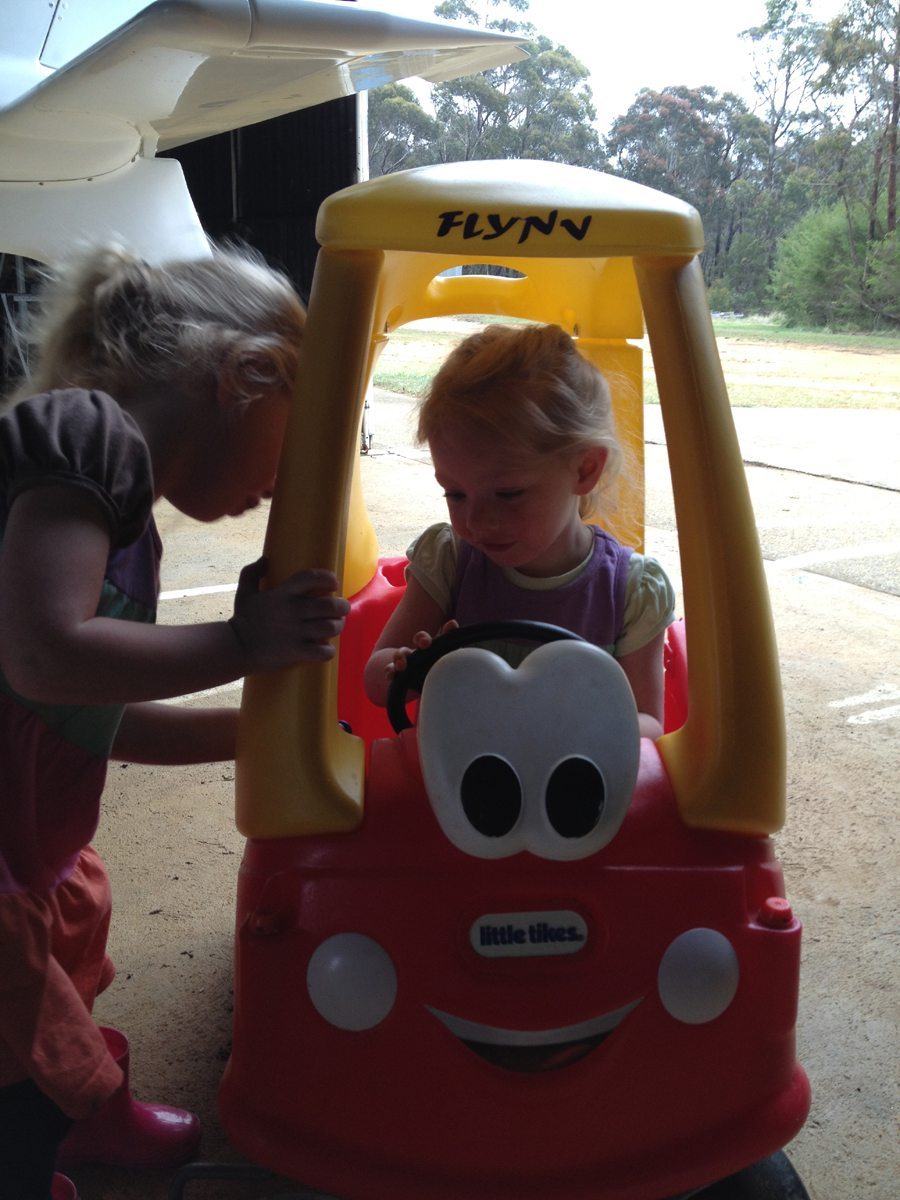
Creative Car Play
Creative Car Play

Yesterday my girls decided to go on a hunt for a blue tongue lizard that talks. They were insistent that they would find one. I thought how amazing their creativity and imagination.  I did wonder where this idea of finding a talking lizard had come from but like most things the girl’s games are out there and are made up, so obviously from their very creative brains.

The twins have interesting names for toys and characters in their games it sounds like a foreign language. Not sure where it came from again other than their amazing imagination. All this creativity got me thinking, what benefit does a very creative imagination have on your education and life?

From looking on the internet I found that imagination and creative play help the following:

  • Teaches kids to be better problem solvers.
  • Allows children to communicate better socially and with creative play give the child a way to practice new conversation and skills in different situations. Practice real life skills.
  • Intellectually the child is better off as creative and imaginative play help the growth of abstract thought. This in turn creates a person who is a creative thinker. Creative thinkers have been proven to be more successful than people who had less imagination.
  • Allows your child to be themselves and try new things in a safe environment.
  • According to the brainy-child.com website imagination can do the following for your child: Develop social skills and intelligence, enhance the power of self-confidence, boost and promote intellectual growth, develop linguistic abilities, create balance and order in life, treat both bad and good experiences with an equal measure, and achieve excellence in classroom.

Einstein said, “Knowledge can get us from A to B. Imagination can take us anywhere.” How true is this quote, without imagination, buildings would not have been built, books written, artwork created, new technology thought of and made, and so on.

I value creativity and of course imagination as I believe it has a lot to offer the twins and of course us as parents. Hubby and I play made up games and participate in the girls colourful and creative exercises. We have made sure to add fairy statues to our backyard to help with the fun. A while ago now, mushrooms sprouted and they were all red and pink (not sure if good to eat so we did not), the girls saw it and asked daddy what it was, he told them that it was mushrooms but in actual fact it was the fairies home. He told the girls to not touch the mushrooms as the fairies would be upset that their home would get destroyed. The girls agreed and the mushrooms or fairy home was left alone.

I make sure to have puzzles, paper and pens/crayons for drawing, paint for painting, make our own play dough, take walks and have adventures, create stories, read books, play in the backyard, go to the park, and let the girls have some creative unstructured play (basically just play in the yard and do what they want).

In case you are interested I have gained inspiration and have read the following links:

Have your little ones been busy creating or making games that you have no idea what is going on? Well mine definitely are. Do you come in and find that a room is suddenly rearranged as a fort or at least a cubby house?

What games do you play with your kids to help with imaginative play? Do you start them off and leave the tools so they can create themselves?

Why not continue the discussion on our twitter or facebook pages.