Categories
News

Part 3: Living with Asthma and Allergies

If you don’t suffer from asthma or allergies it is hard to understand what it entails, how it affects your life and also what medication you will need to be on.

I thought why not talk to people that deal with these issues every day of their life. I hope that this post will give you some insight into what it is like to deal with asthma and allergies.


Hayfever. Image courtesy of Stuart Miles / FreeDigitalPhotos.net

Interview One

Background: Shelby lives in the USA and is 47. During the interview she lived in West Texas.

Q1. How long have you had asthma and any other allergies?

A1. Asthma, diagnosed 2 months ago, allergies, 10 years

Q2.What things set you off? Plants, perfume, food, pollens? Let me know

A2. Candles, perfumes, pollen, our dogs if they roll in the grass/weeds.

Q3. If you have other allergies please detail what ones?

A3. My allergies are to a myriad of things, including, but not limited to, grass, pollen, rag weed, dust, animal dander, various trees, and some medications, to include compazine, flexiril, and Percocet.

Q4. How do you cope with treating your asthma as well as your allergies? Has this caused any issue? For example: Can any medication to treat the allergy not help with the asthma or vice versa?

A4. I am currently on a corticoid steroid, I have a rescue inhaler, and I take both singular and zyrtec for my allergies. I live in West Texas, which has a high elevation, and this has presented some challenges in exercise, so I have been cautioned to use my rescue inhaler prior to exercising, rather than as an emergent situation after. We also border the city of Juarez, in Mexico and they do a lot of burning of industrial waste that filters into the air, so we have a poor air quality, this has presented problems. I no longer run/walk outside for exercise, I cannot breathe well.   I have to do my workouts at home or in the gym. So far, the meds I am on while they are helping, do not make me feel “well” to the point I did prior to the asthma. The allergies, I have had for so long, I don’t notice a huge difference in them.

Q5. Is your asthma/allergies getting worse with age or the same?

A5. Asthma was deemed “environmental” not sure, it’s only been two months, and allergies, my spouse is in the Military, we move, a lot, they (allergies and asthma) seem to be worse with locations, not necessarily age.

Interesting that your environment
plays a major role.

“There is no evidence that air pollution causes asthma, but it can trigger attacks in people who have asthma. Significant outdoor air pollutants for people with asthma are: airborne particles, sulphur dioxide, nitrogen dioxide and ozone.” (Asthma and Air Pollution: A guide for Health Professionals, 2004 – http://www.nationalasthma.org.au/uploads/publication/asthma-air-pollution.pdf)


Q6. Do you find your diet and not eating a certain food helps you feel better? If so what has it been for you?

A6. I eat a pescaterian, mostly fresh fruits, vegetables, and fish. I limit dairy, though I do still consume dairy products, I am not vegan. I do notice a huge difference in the way I feel over when I ate red meat, and when I consumed “junk”, I began this eating change/life style change about a year ago. I have also dropped about 25 lbs. (This is 11kgs for those that don’t know pounds)

Q7. I have read that exercise and keeping at a good weight can help like with everything else regardless of allergies or dealing with asthma. Have you found that if you don’t exercise or say when pregnant suffer more with asthma and allergies?

A7. I have not found that I noticed a difference, I have not always exercised, and my weight is at a healthy level, but I we moved to the location we are in now two years ago, and I developed my asthma here, they are calling it “environmental” in nature, so I am hopeful that when we move back to the Midwest United States in mid July that the asthma either disappears altogether or is much more controlled.


Q8. Do you find that your allergies and asthma is worse when you are stressed? How bad does it get?
A8. Asthma in particular is much worse if I am stressed, and I have started to notice sometimes I don’t realize I am actually having an asthma attack per say during a period of high stress, and then I will think, “hey wait, use your inhaler” and I do and things are much better.


Q9. Depression is said to have a negative influence on asthma have you found that when you are a bit down that you notice your asthma acting up more?

A9. No
Q10. What medications are you on?

A10. Zyrtec, Singular, Albutrel, FLOVENT DISKUS (fluticasone propionate) Inhalation Powder, Nexium, Lisinopril, topirimate, and zocor.

Sneezing due to allergies. Image courtesy of David Castillo Dominici / FreeDigitalPhotos.net


Q11.When you travel what equipment and medicine do you take with you? Some in your carry on and also spares in your main luggage. Is there a process where you tell people you have asthma just in case of emergency? Let us know what you do.

A11. So far, this has not come up, but I do keep an inhaler in my purse and on my night stand. My family all knows I have asthma.

Q12. How has had having asthma or allergies impacted your life? Are you able to do everything you want to do?

A12. No, asthma has definitely changed my workout routine, and I am not happy about it. I went from running/walking 3 miles a day outside, to not being able to do so outside at all, or daily even. And, I am not near as fast as I had been. The allergies don’t seem to impact me much, other than being a nuisance.

Q12a. In answer to a similar question: Do you find that asthma/allergies have impacted on your life in a negative way? Explain how.

A12a. Yes, I cannot exercise in the manner in which I want, and my oldest daughters don’t seem to understand that I am actually ill, they think I am just “putting on”, when I am actually unable to breathe at times.


Do you find that family or friends don’t take you seriously when you have issues breathing?
Do they think you are “putting it on”?


I can understand if it is a new issue and the family are not used to it but it can upsetting for the person
dealing with asthma and other allergies that can cause issue.


This issue of family dismissing something that can be serious was brought out of this interview with the lovely Shelby.
Let me know if this happens to you also and how you dealt with it.


Q13. Have you ever been hospitalised due to asthma or other allergy related issue?

A13. No, but I was seen in the ER and given a breathing treatment for my asthma


Q14. Does where you live make things better or worse? Is a warmer climate good or a cooler one? Let me know.  

A14. We live in a very dry, warm climate, and while I am told warm is good, the dry is hard on my sinuses, and in turn my allergies, and the air quality here is horrible, and the elevation is high, so this causes my asthma to be worse, so living here I guess would be worse.

As Shelby was answering my questions for this post she and her hubby were packing up and getting ready to move. Yes that’s right they are buying a house and moving across the country. A change of scenery, environment will hopefully help Shelby’s asthma and allow her to do more.


Q15. Do other family members have the same thing? Or is it just you?

A15. My cousin has asthma, and my children allergies


I wish Shelby and her family well and hope that the new house is wonderful. Thanks for allowing me to interview you for this series. Much appreciated.

Woman using asthma inhaler. Image courtesy of patrisyu / FreeDigitalPhotos.net

Interview Two

Background: Ms S is 36 and lives in the lower Blue Mountains. Ms S has two young children.

Q1. How long have you had asthma and any other allergies?

A1. I’ve had a lactose allergy from birth and asthma and eczema was diagnosed from 12. My other allergies were diagnosed when I was 22 and saw an allergist for testing.
Q2.What things set you off? Plants, perfume, food, pollens? Let me know

A2. Dust, changes in temperate (esp. cold), perfume, tree pollens, animal dander

Q3. If you have other allergies please detail what ones?

A3. Yes asthma and allergies – dust mite, tree pollen, pet hair, dairy & eczema

Q4. How do you cope with treating your asthma as well as your allergies? Has this caused any issue? For example: Can any medication to treat the allergy not help with the asthma or vice versa?

A4.No the medications don’t tend to interfere with each other

Q5. Is your asthma/allergies getting worse with age or the same?

A5. My eczema is getting better but my allergies are getting worse. My asthma is in general better but seasonally worse.


Q6. Do you find your diet and not eating a certain food helps you feel better? If so what has it been for you?

A6. Yes, avoiding dairy, citrus, alcohol, nightshades and eating a very healthy well balanced diet helps.


Shelby limits dairy and Ms S avoids it.

Also both eat very healthy meals.


Q7. I have read that exercise and keeping at a good weight can help like with everything else regardless of allergies or dealing with asthma. Have you found that if you don’t exercise or say when pregnant suffer more with asthma and allergies?

A7.Yes being unfit or pregnant certainly made my allergies and asthma wors.


Q8. Do you find that your allergies and asthma is worse when you are stressed? How bad does it get?
A8. Yes my asthma is worse and so in my eczema when stressed as I scratch and my breathing shortens. I tend to have a few puffs of ventolin and try to calm down and relax.


Q9. Depression is said to have a negative influence on asthma have you found that when you are a bit down that you notice your asthma acting up more?

A9. Yes, I’ve noticed when I’m feeling down my health in general seems to take a dive.

Q10. What medications are you on?

A10. Seretide 250mg, Ventolin and Polaramine

Q11.When you travel what equipment and medicine do you take with you? Some in your carry on and also spares in your main luggage. Is there a process where you tell people you have asthma just in case of emergency? Let us know what you do.

A11. I always take a puffer with me. My son is anaphylactic allergic so I also take an epi-pen jnr with me too and antihistamine (liquid and tablet form) as well as lots of tissues.

Q12. How has had having asthma or allergies impacted your life? Are you able to do everything you want to do?

A12. At the moment the biggest impact is the allergies causing so much sneezing and tend to set off my asthma. Also the sneezing is difficult with my weak pelvic floor post 2 kids. I couldn’t take much antihistamine while pregnant or breastfeeding my kids so I’ve just had to put up with it. At times it would get so bad I’d have 8 blood noses a day. It’s also very dangerous whilst driving a car on a freeway!

Q12a. In answer to a similar question: Do you find that asthma/allergies have impacted on your life in a negative way? Explain how.

A12a. It’s more of an inconvenience or annoyance then anything else.

Q13. Have you ever been hospitalised due to asthma or other allergy related issue?

A13. No


Man using his asthma inhaler. Image courtesy of marin / FreeDigitalPhotos.net

Q14. Does where you live make things better or worse? Is a warmer climate good or a cooler one? Let me know.  

A14. It’s become harder since I’ve moved to a colder climate. It was easier to manage my asthma is a warmer more humid climate. The heating irritates my skin allergies too.


Q15. Do other family members have the same thing? Or is it just you?

A15. My 1yr old son has eczema and is seriously allergic to many foods and is anaphylactic allergic to eggs. My 3yr old daughter also has serious eczema skin allergies. My mother has allergies and asthma too.


Thanks Ms S for allowing me to interview you for this series. Much appreciated.


Some findings:

  • One thing that was very apparent is that each person needs to give more time for them. Yes you time! I know it is hard and I find getting me time difficult. Dealing with an allergy or illness I think it essential that you get a little time for you or create a sanctuary. Maybe you can start with 10mins a day and build it from there.
  • Dairy seemed to be cut out of one diet and lowered in another
  • Allergies and Asthma seem to go hand in hand. I know I am not qualified to link this but it seems if you have allergies getting asthma is not a remote possibility.


Disclaimer: I am entering the Excellence in Asthma & Allergy Reporting Awards. I aim to create more awareness about asthma and allergies. In the process it would be nice to win the prize but just to be in it will be achievement enough.

This post concludes my series on Asthma and Allergy. I hope you enjoyed them.

Categories
News

Part 2: Asthma Treatment through the Ages

How asthma was treated hundreds of years ago.  Here is a list of some things that happened over the years. I am glad we are not relying on these fixes to help us get better. What about you?


This picture is a 1907 advertisement for Grimault's Indian Cigarettes, emphasising their alleged efficacy for the relief of asthma and other respiratory conditions Source: File:Grimaults cigarette ad.jpg - https://en.wikipedia.org
This picture is a 1907 advertisement for Grimault’s Indian Cigarettes, emphasising their alleged efficacy for the relief of asthma and other respiratory conditions
Source: File:Grimaults cigarette ad.jpg – https://en.wikipedia.org

History of Asthma

  • The term asthma comes from the Greek word ásthma, “panting”. (Wikipedia)
  • Hippocrates (400BC) was the first to use the term Asthma and to identify a link between environment and the disease.
  • The earliest reference of asthma has been found in China from 2600BC
  • Alexander the Great smoked the “herb stramonium (an anticholinergic agent related to ipratropium and tiotropium currently used in inhalers)”. He did this to relax his lungs.
  • In Rome, “Pliny the elder (50 AD) observed that pollen was a source of respiratory difficulty and recommended the use of “ephedra” (forerunner of ephedrine) in red wine as an asthma remedy. Unfortunately, he also suggested that drinking the blood of wild horses and eating 21 millipedes soaked in honey could help.”
  • Tobacco was introduced in the 1500’s. It was used to make you cough up mucus. Also in Central America the Aztecs had a plant that was treated with cocaine and was supposed to help with asthma symptoms.
  • In the 1800’s Arsenic was introduced to treat asthma and respiratory conditions.

(Sourced: Allergy & Asthma.com – http://www.allergyandasthma.com/home/articles/history-of-asthma, 27th June, 2014)

Has there been any way out treatment that you thought would never work and it did?  Let us know.

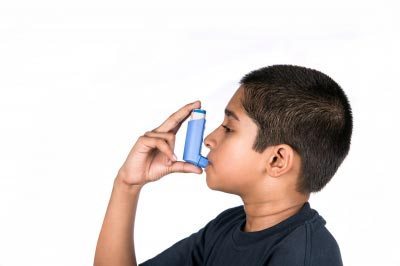
Thank god we have modern medicine! Child using asthma inhaler. Image courtesy of Arvind Balaraman / FreeDigitalPhotos.net


NOTE: Make sure you stay safe everyone and check with your doctor about treatments that can help with your asthma and allergies. Be safe and well and this is just a look back on history.

Make sure you stay on top of keeping you well. The National Asthma Council of Australia have a great checklist. See it here.

You can create an action plan via the Asthma Buddy Phone Apps. Keep up to date records and have everything about your health available at the touch of your fingertips.

Disclaimer: I am entering the Excellence in Asthma & Allergy Reporting Awards. I aim to create more awareness about asthma and allergies. In the process it would be nice to win the prize but just to be in it will be achievement enough.

Stay tuned for the last part of this series, my interviews with people dealing with asthma and allergies.

Categories
News

Part 1: What is Asthma?

Do you suffer from asthma? Do you know someone who does? How has it affected their life? I am lucky that I don’t have asthma, however I have friends that do and I know it can be a small irritation to a major concern. Welcome to my 3 part series about Asthma and Allergies. Part 2 and 3 coming in the next couple of days. So stay tuned.

According to kidswithasthama.com.au

1 in out of every 8 or 9 Australian children have asthma.

“Most children with asthma have symptoms only occasionally –  isolated episodes lasting a few days, with no symptoms for about two months or more between episodes”.

The girls wearing blue to raise money for the “Asthma Foundation”. Today was last day of term and of course mufti day. Each girl gave a $2 coin towards to the cause and we hope it helps with awareness, education and helping those with asthma.


So What Is Asthma?

Asthma is a chronic inflammatory disease of the airways. Symptoms include: coughing, shortness of breath, wheezing and chest tightness.

Kids who have asthma might have the following symptoms:

  • Not eat or drink as much
  • Have tummy ache and have episodes of vomiting
  • Cry more
  • Get puffed out more than usual while playing, running or participating in sports.
  • Become tired quickly

Below is a great video from the NHS Choices. The video has detailed diagrams.

Just to give you an idea of what it sounds like to be having an asthma attack below is a video of a person having an attack. I am glad she was o.k and the attack was due to not having her inhaler with her. She made it to the hospital and got looked after so all good.


Treatment

What are your treatment options if you suffer from asthma?  Do they vary if you only have a mild case compared to a severe form of the disease? Depending on how bad the attack is, you might need different treatments, tg.com.au have a great breakdown on what to do in these different cases.

Asthma Classifications. Image from www.medicinenet.com

Medicines for Asthma:

  • Relievers – Otherwise known as a puffer. A puffer can be purchased from a chemist without a prescription.
  • Preventers – This medicine is for adolescents and adults. It is a medicine that has a low dose of corticosteroid. Preventers reduces inflammation in the airways and can reduce risk of an asthma attack.


Child using asthma inhaler. Image courtesy of Arvind Balaraman / FreeDigitalPhotos.net


Need a good overview of Asthama & COPD Medicines, the National Asthma Organisation has it sorted.

Below are links for “How to videos” from the National Asthma Council Australia:
Using your inhaler
Using your nasal spray

 Did you know?

“Asthma symptoms after physical activity are common but can be prevented. The symptoms are usually worst 5 to 10 minutes after stopping exercise, not during the exercise.” (Asthma Handbook)


Download your Asthma Handbook from the National Asthma Organisation. This fabulous guide is packed with info that you will need to know if you or your child has asthma.


 How Asthma Impacts Your Lifestyle

Do you think having asthma has impacted your lifestyle? Do you not do things for fear you might have an attack?

“Global rates of asthma have increased significantly between the 1960s and 2008 with it being recognized as a major public health problem since the 1970s. Rates of asthma have plateaued in the developed world since the mid-1990s with recent increases primarily in the developing world. Asthma affects approximately 7% of the population of the United States and 5% of people in the United Kingdom, Canada, Australia and New Zealand have rates of about 14–15%” (Wikipedia)


A map of the world with Europe shaded yellow, most of North and South America orange and Southern Africa a dark red

Disability-adjusted life year for asthma per 100,000 inhabitants in 2004.

  no data
  <100
  100–150
  150–200
  200–250
  250–300
  300–350
  350–400
  400–450
  450–500
  500–550
  550–600
  >600

Getting Educated About Asthma

If you or a family member has asthma it is a good idea to know how to help them in case of an emergency. You will need to know the following:

  • What medicine the person is using
  • Create an action plan
  • Learn what triggers your asthma
  • Lifestyle modification – ie. avoid passive smoke, don’t get exposed to certain pollens and so on.

Learn as much as you can about what makes you feel better. Is it diet? Exercise? Living in a warmer climate or cooler one? Do what works for you.

One thing to make sure to do, is to let people know that you suffer from asthma. The more people know the better things will be. Why you ask? Well, if you do have an episode others will know what the issue is and help you when you cannot help yourself. If you did not tell them, they would have no idea.


Another Fact About Asthma

“Asthma and allergies are closely linked. Most people with asthma have allergic asthma” (Asthma Handbook)


What to do in an Emergency

Taken from the National Asthma Council Australia

  • Severe breathing problems
  • Symptoms get worse
  • Reliever has little or no effect
  • Difficulty saying sentences
  • Blue lips
  • Drowsiness

Call an ambulance (dial 000) and start asthma first aid


How do you cope with your asthma? Do you find that you go a while without an issue and then say stress or something else sets it off? Let us know? Do your friends or family have a plan just in case there is an emergency? Send in your comments.


Disclaimer: I am entering the Excellence in Asthma & Allergy Reporting Awards.I aim to create more awareness about asthma and allergies. In the process it would be nice to win the prize but just to be in it will be achievement enough.

Stay tuned for part 2 and part 3

Part 2 – History of Asthma treatment through the ages

Part 3 – Interview with two people who have asthma and allergies.